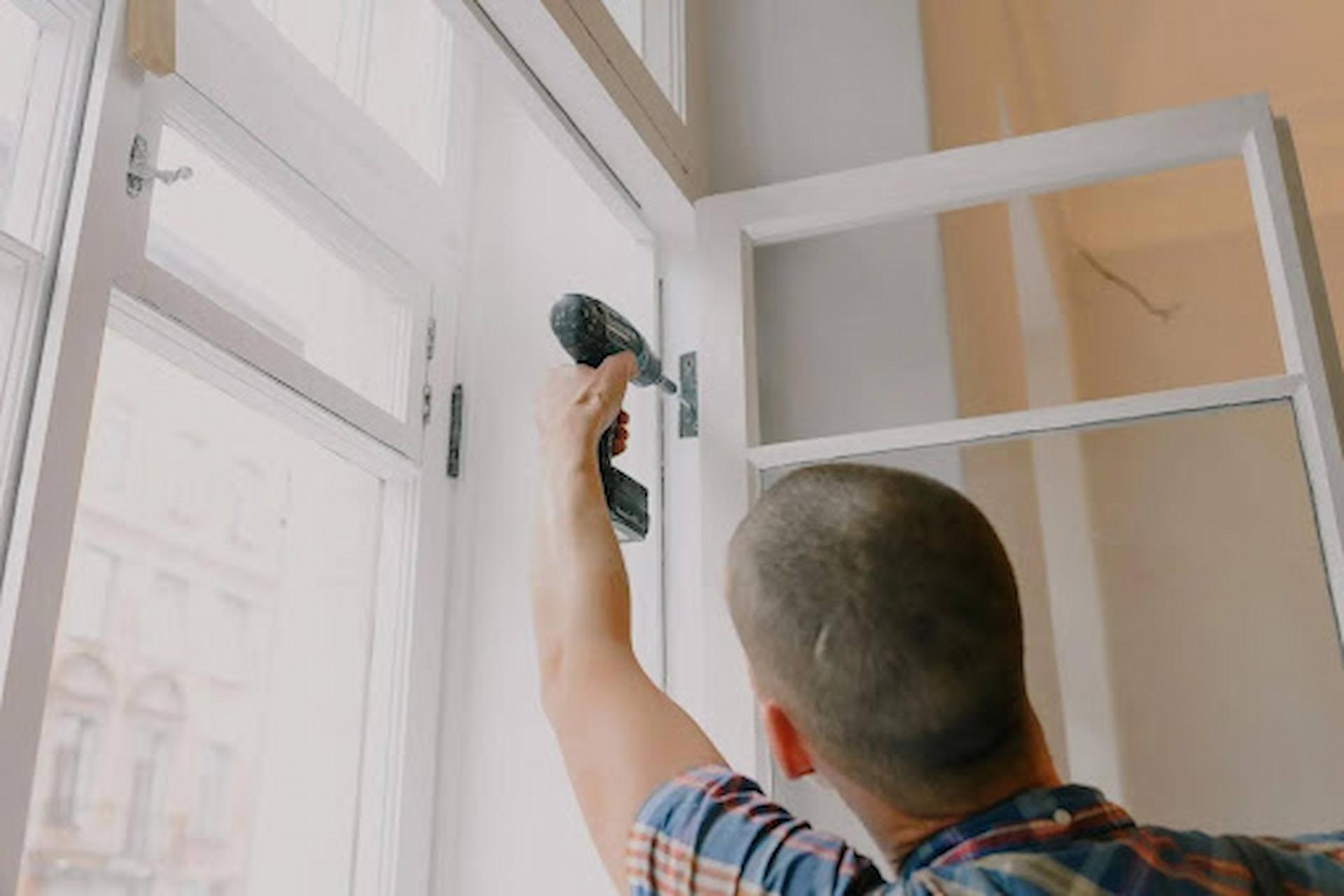
When glass shatters without warning, every moment demands swift, decisive action. Emergency glazing is the frontline solution that rapidly restores safety, reinforces security, and shields your property from escalating damage. This guide uncovers what emergency glazing truly involves, how it operates under pressure, and why a strategic, professional response is vital for both homes and commercial spaces.
Emergency glazing is a specialist service designed to deal with sudden glass breakage that poses an immediate risk. It focuses on making a property safe, secure, and weather-resistant when damage cannot be left unattended. The response is swift, controlled, and guided by safety priorities.
Unlike routine glazing work, emergency glazing addresses urgent threats first. The goal is to stabilise the situation quickly while preparing for a suitable longer-term solution. This approach helps prevent further damage and reduces exposure to avoidable risks.
Why Broken Glass Needs Immediate Action
Broken glass creates instant hazards. Sharp edges increase the risk of injury, while open gaps compromise security and allow weather to enter the building. Leaving damage unresolved can quickly lead to wider structural or internal issues.
Immediate action reduces these risks and prevents the situation from escalating. Professional intervention ensures the damage is handled safely and methodically, rather than relying on temporary fixes that may fail under pressure.
A prompt response also supports safety expectations for both residential and commercial environments, where duty of care is a key consideration.
When Emergency Glazing Is Non-Negotiable
Certain glazing issues require urgent attention because delaying repairs would place people or property at risk. These situations often occur suddenly and without warning, making emergency glazing a necessary response rather than a precaution.
Damage that affects doors, windows, or large glazed areas can quickly compromise a building’s integrity. In these cases, securing the opening becomes the priority before any permanent repair is planned.
The urgency lies not in the appearance of the damage, but in the risks it creates if left unresolved.
First Response: Assessing Risk and Securing the Scene
Every emergency glazing situation begins with a safety assessment. This step identifies immediate dangers and determines how the area can be stabilised without causing further harm. Loose glass, weakened frames, and surrounding surfaces are carefully checked.
The assessment allows work to proceed in a controlled manner. Barriers may be introduced to restrict access and protect occupants while the glazing is made safe.
Clear evaluation at this stage ensures the correct solution is applied from the outset.
Immediate Property Security Measures After Glass Failure
Once risks are identified, the focus shifts to securing the property. The aim is to restore protection against intrusion, injury, and environmental exposure as quickly as possible.
Limited bullet points are used here for clarity:
- Removal of broken or unstable glass
- Temporary boarding or protective glazing installation
- Stabilisation of existing frames and structures
These measures are designed to be effective and durable, providing reassurance until permanent repairs can be completed.
Temporary Stabilisation Versus Full Glazing Replacement
Emergency glazing does not always involve immediate full replacement. In many cases, temporary solutions are the most practical option during the initial response. These solutions are strong, secure, and purpose-built to withstand short-term demands.
Temporary glazing allows time for accurate measurements and material sourcing. Permanent replacement follows once conditions allow for precise installation without compromise.
This phased approach ensures safety is maintained without rushing critical decisions.
Protecting Interiors from Weather and External Exposure
Broken glazing leaves interiors exposed to rain, wind, and temperature changes. Emergency glazing plays a vital role in sealing openings and preventing further deterioration caused by environmental conditions.
Weather protection is especially important for avoiding secondary damage to internal surfaces and fixtures. By securing the opening quickly, emergency glazing helps preserve the overall condition of the building.
This step is essential for maintaining stability during uncertain conditions.
Keeping People Safe with Minimal Disruption
Emergency glazing is carried out with efficiency and control. The objective is to restore safety while keeping disruption to a minimum, particularly in occupied or operational properties.
Work is organised to reduce noise, debris, and restricted access wherever possible. Clear coordination ensures the process remains calm and predictable during an otherwise stressful situation.
A controlled response helps occupants feel secure while repairs are underway.
Maintaining Safety Under Emergency Conditions
Urgency does not remove the need for quality. Emergency glazing solutions are expected to meet safety and performance standards, whether they are temporary or permanent.
Secure fitting, stable materials, and proper sealing are essential components of a reliable outcome. Each element contributes to a solution that performs as intended under pressure.
Maintaining these standards ensures emergency glazing delivers lasting protection rather than short-term reassurance.
Conclusion
Emergency glazing is an essential response when glass damage creates immediate risks. It provides a structured way to restore safety, security, and stability during urgent situations where delays are not an option. By focusing first on risk assessment and temporary protection, emergency glazing prevents further harm and creates a safe environment for occupants.
A professional approach ensures that every stage is handled with care, from initial inspection to final resolution. Emergency glazing is not just about speed; it is about making informed decisions under pressure. When managed correctly, it protects people, preserves property, and allows permanent repairs to be completed without unnecessary compromise.
