Introduction
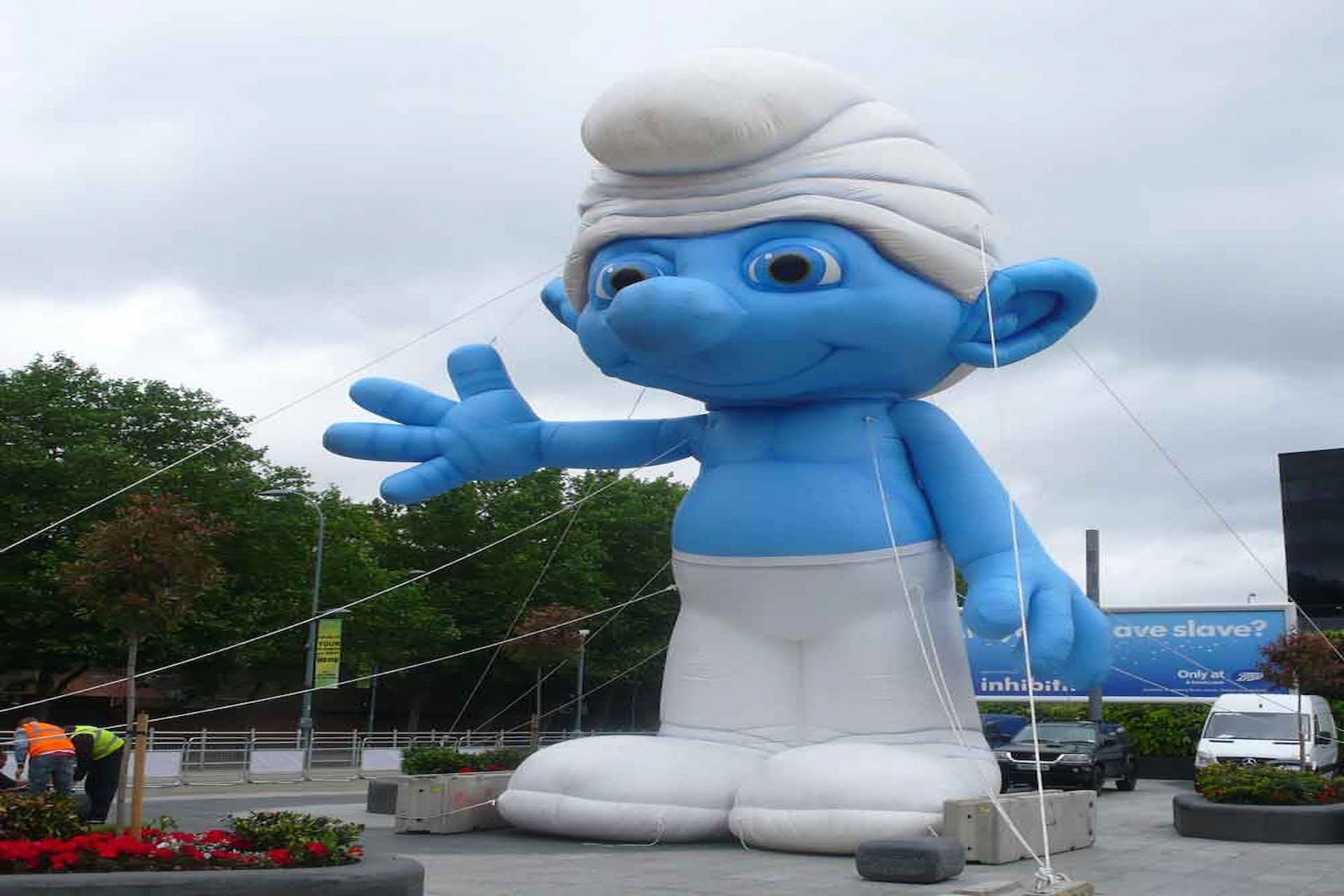
Custom giant inflatables have become a powerful tool for brands looking to create eye-catching, memorable visual displays. From large-scale event installations to high-impact inflatable advertising, these structures offer a unique way to capture attention and communicate brand messages effectively. However, one of the most common questions businesses ask is how long the process takes from initial concept to final delivery. Understanding the full production timeline is essential for planning campaigns, managing expectations, and ensuring timely execution. This guide breaks down each stage of the custom inflatable production process, helping you navigate design, manufacturing, and delivery with confidence while ensuring your project runs smoothly from start to finish.
From Concept to Design: Turning Ideas into Visuals
The journey begins with a detailed brief. This typically includes the purpose of the inflatable, design preferences, size requirements, branding elements, and where it will be used. Clear communication at this stage is essential, as it directly influences the efficiency of the entire process.
Once the brief is finalised, the design team develops initial concepts and digital mock-ups. This stage often involves collaboration between the client and designers to refine shapes, colours, and branding details. For businesses investing in inflatable advertising, this phase is particularly important because the visual outcome must align closely with brand identity and marketing goals. Depending on the level of detail and the number of revisions required, the design stage can take anywhere from a few days to two weeks.
Approval and Technical Planning
After the design is approved, the project moves into technical planning. This step ensures that the inflatable is not only visually appealing but also structurally sound and suitable for its intended environment.
Key considerations at this stage include:
- Material selection based on indoor or outdoor use
- Structural integrity and air pressure requirements
- Anchoring systems for stability
- Safety compliance and durability standards
This phase typically takes a few days but can extend slightly if the inflatable is large, complex, or requires specialised features.
Manufacturing and Production Timeline
Once technical specifications are confirmed, production begins. This is the most time-intensive stage, as it involves cutting, printing, stitching, and assembling the inflatable components with precision. During manufacturing, several important steps take place:
- High-quality materials are cut and prepared according to the approved design
- Graphics and branding elements are printed using durable techniques
- Sections are stitched or welded together to create airtight structures
- Internal supports and air chambers are installed for stability
- Inflation systems are integrated and tested
Production timelines usually range between 2 to 4 weeks, depending on the size and complexity of the inflatable. Larger or more intricate designs naturally require additional time to ensure quality and durability.
Quality Checks and Testing
Before any inflatable is delivered, it undergoes thorough quality checks. This step is critical to ensure that the final product meets both safety and performance standards. Testing typically includes full inflation to check for:
- Air retention and pressure consistency
- Structural stability in real-world conditions
- Visual accuracy compared to the approved design
- Functionality of blowers and anchoring systems
Any necessary adjustments are made at this stage. While testing is usually completed within a few days, it plays a vital role in preventing issues after delivery.
Delivery and Logistics
The final stage is packaging and delivery. Once the inflatable has passed all quality checks, it is carefully packed along with necessary accessories such as blowers, repair kits, and installation instructions.
Delivery timelines depend on location and shipping method. For domestic orders within the UK, delivery typically takes a few days. However, international shipping may extend the timeline by one to two weeks, depending on customs and logistics. Proper planning at this stage ensures that the inflatable arrives on time and in perfect condition, ready for use.
Typical Timeline Overview
While each project is unique, a general timeline for producing a custom giant inflatable can be understood as a structured sequence of stages. The design and concept development phase typically takes between three to fourteen days, depending on how quickly ideas are refined and approved. This is followed by technical planning and approval, which usually requires two to five days to finalise materials, structure, and safety considerations.
Manufacturing and production form the most time-intensive stage, often taking between fourteen to twenty-eight days as the inflatable is constructed, assembled, and prepared with precision. Once production is complete, quality testing and final checks are carried out over two to five days to ensure performance and durability meet expectations. Finally, delivery takes anywhere from two to fourteen days depending on the location and logistics involved.
Overall, the full process generally takes between three to six weeks from the initial brief to final delivery. More complex or large-scale projects may require additional time, particularly if multiple revisions or specialised engineering solutions are needed.
Factors That Influence Production Time
Several variables can affect how long the process takes. Understanding these factors can help businesses plan more effectively and avoid unnecessary delays.
Complexity is one of the biggest influences. A simple inflatable shape with minimal branding will naturally take less time than a highly detailed or unusual design. Size also matters, as larger inflatables require more material, labour, and testing.
Client responsiveness plays an important role as well. Delays in providing feedback or approvals can extend the timeline, particularly during the design phase. Similarly, production schedules and seasonal demand can impact turnaround times, especially during peak promotional periods.
Planning Ahead for Best Results
To ensure a smooth and efficient process, it is always advisable to start planning early. Allowing sufficient time for design, revisions, and production reduces pressure and improves the overall quality of the final product.
Clear communication, timely approvals, and realistic expectations all contribute to a successful outcome. Businesses that approach the process with a structured timeline are more likely to receive a high-quality inflatable that meets both creative and practical requirements.
Conclusion
Producing a custom giant inflatable is not an overnight process; it is a carefully structured journey that combines creative design, technical planning, and precision manufacturing. From the initial brief through to final delivery, every stage plays a crucial role in ensuring quality, durability, and visual impact. Whether used for inflatable advertising, events, or brand promotions, allowing sufficient time for production is key to achieving the best results. By understanding the full timeline and planning ahead, businesses can avoid delays, streamline collaboration, and ensure their custom inflatable is delivered on schedule, ready to make a strong and lasting impression in any setting.
